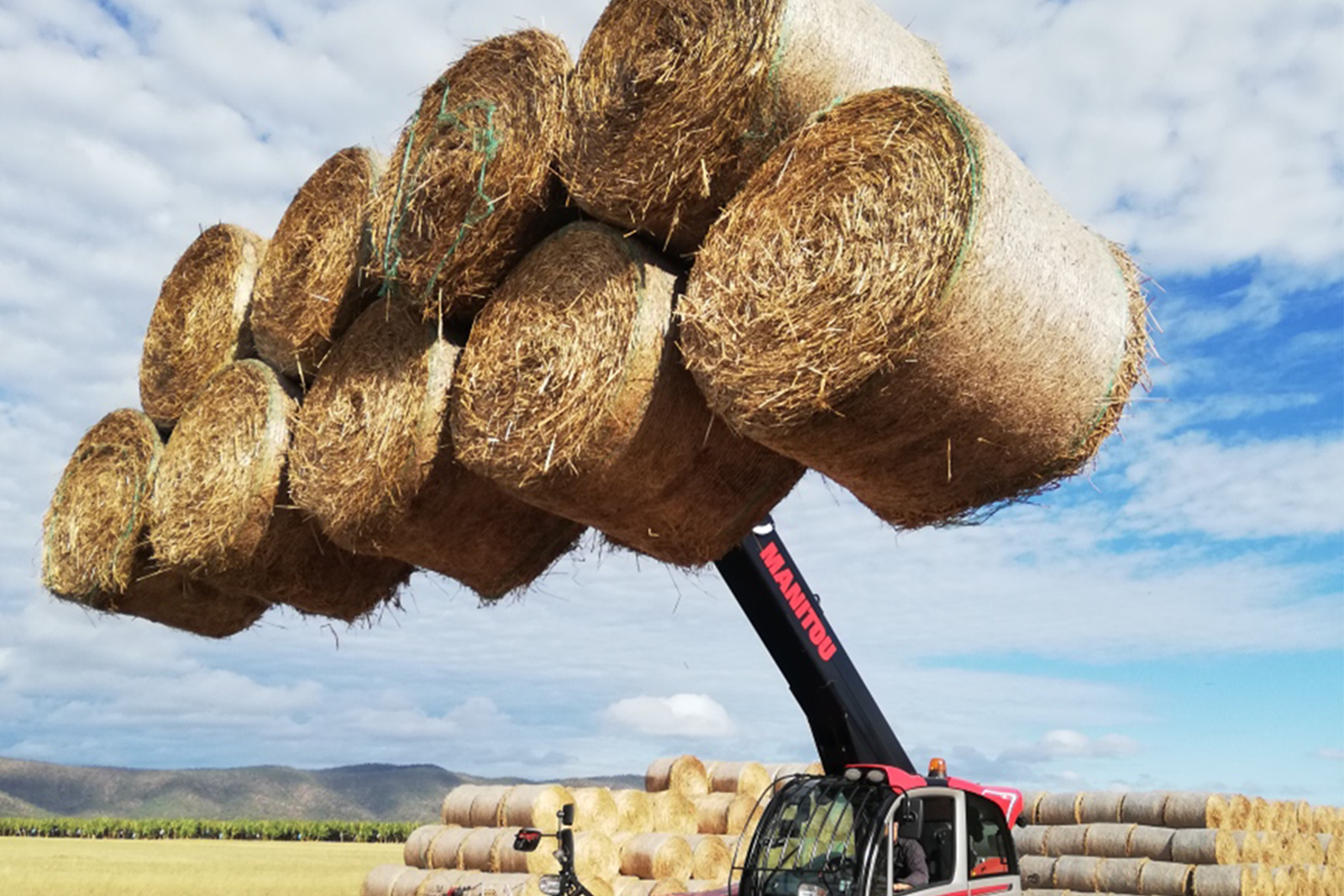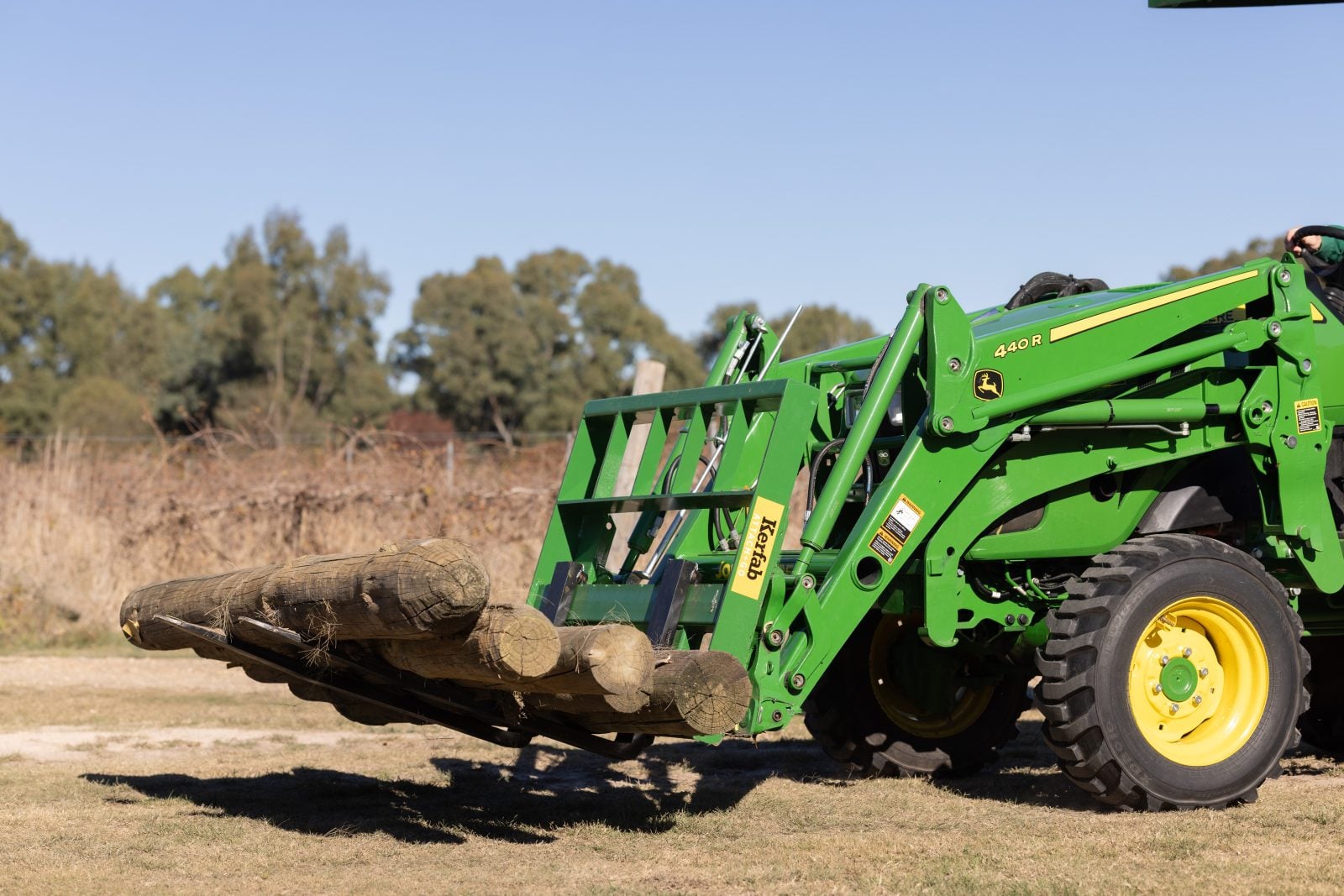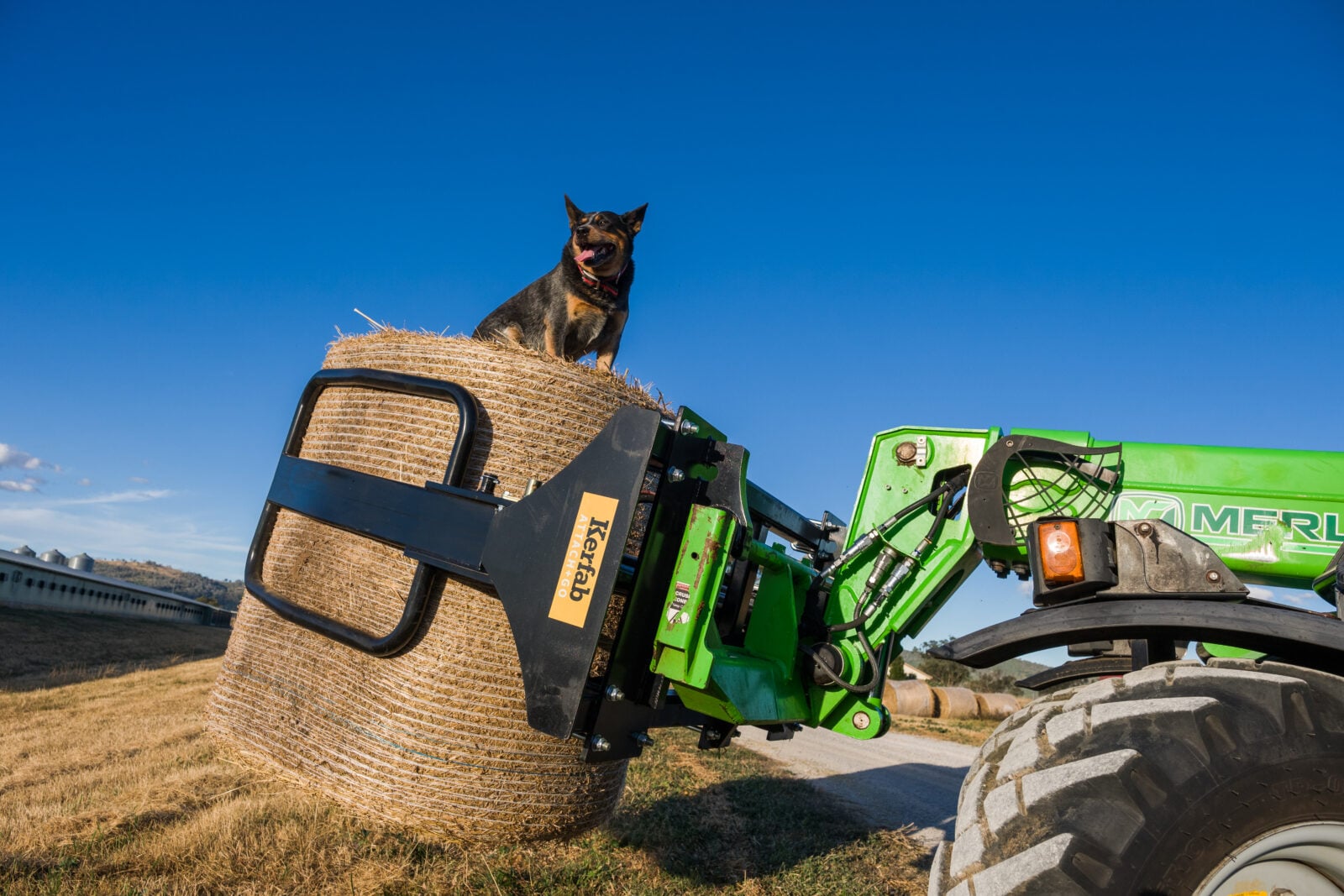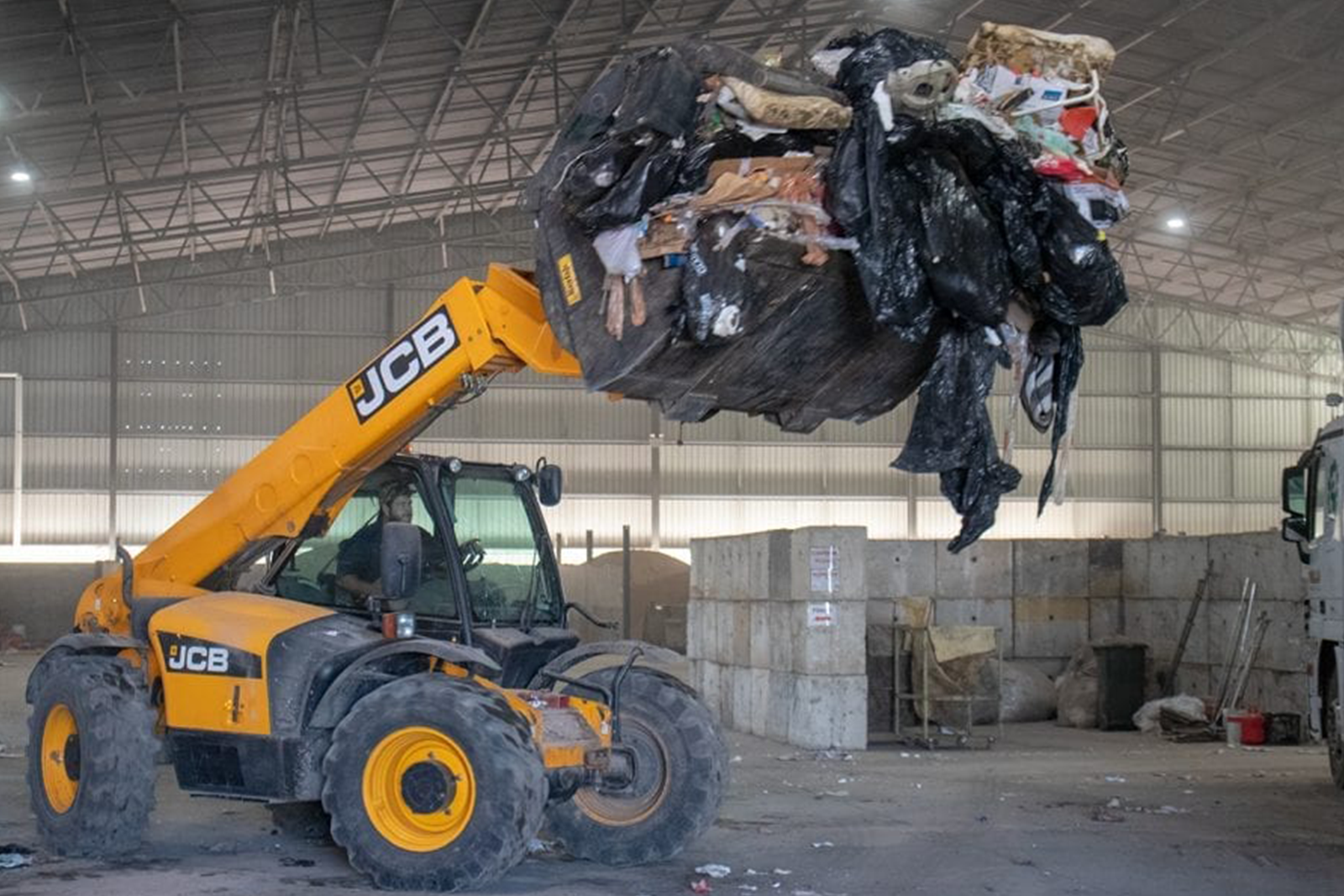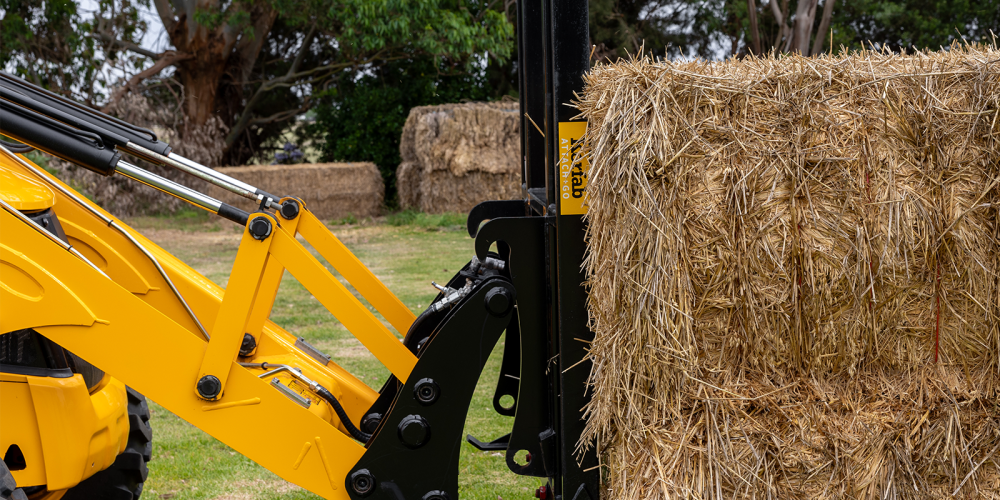
When times are tight and margins are small, a quick hitch enable you to make the most of your existing machinery and attachments. The beauty of a quick hitch is that it allows you to multitask with the machinery you already have on hand.
The quick hitch makes multi-tasking easy and are sometimes known as a quick adaptor, or a quick coupler. It is an attachment front or interface that stays permanently attached to your primary machine, enabling you to quickly and easily connect other tools or accessories to the front – saving time, money and effort.
How does it operate?
Operation is simple. The hitch can be operated from the seat of the machine using the bucket tilt function and lift and lower of the arms. Hydraulic pin locking devices enables operation without leaving the seat of the machine, except when the attachment requires a hydraulic connection.
Learn more about how to use a quick hitch on our guide – Five Simple Steps to Using a Quick Hitch.
What are the types available?

Wheel Loader Quick Hitch
This transforms a wheel loader from a dedicated bucket or forks machine to a multi-tasking universal machine. They can be manufactured to suit Z Bar and IT type wheel loaders, from 6 – 30 ton operating weight. Typically used for applications like waste, recycling, rail works, civil projects and general farming.

Telehandler Quick Hitch Adaptor
The Telehandler Adaptor transforms telehandler from a dedicated bucket or forks machine to a multi-tasking universal machine.
As a result, your telehandler will become a multi-tasking machine useful for various tasks on farms and remote civil and construction sites, where the loader needs to be versatile. The Telehandler adaptor is designed to enable operators to convert from one type of telehandler quick hitch to another.
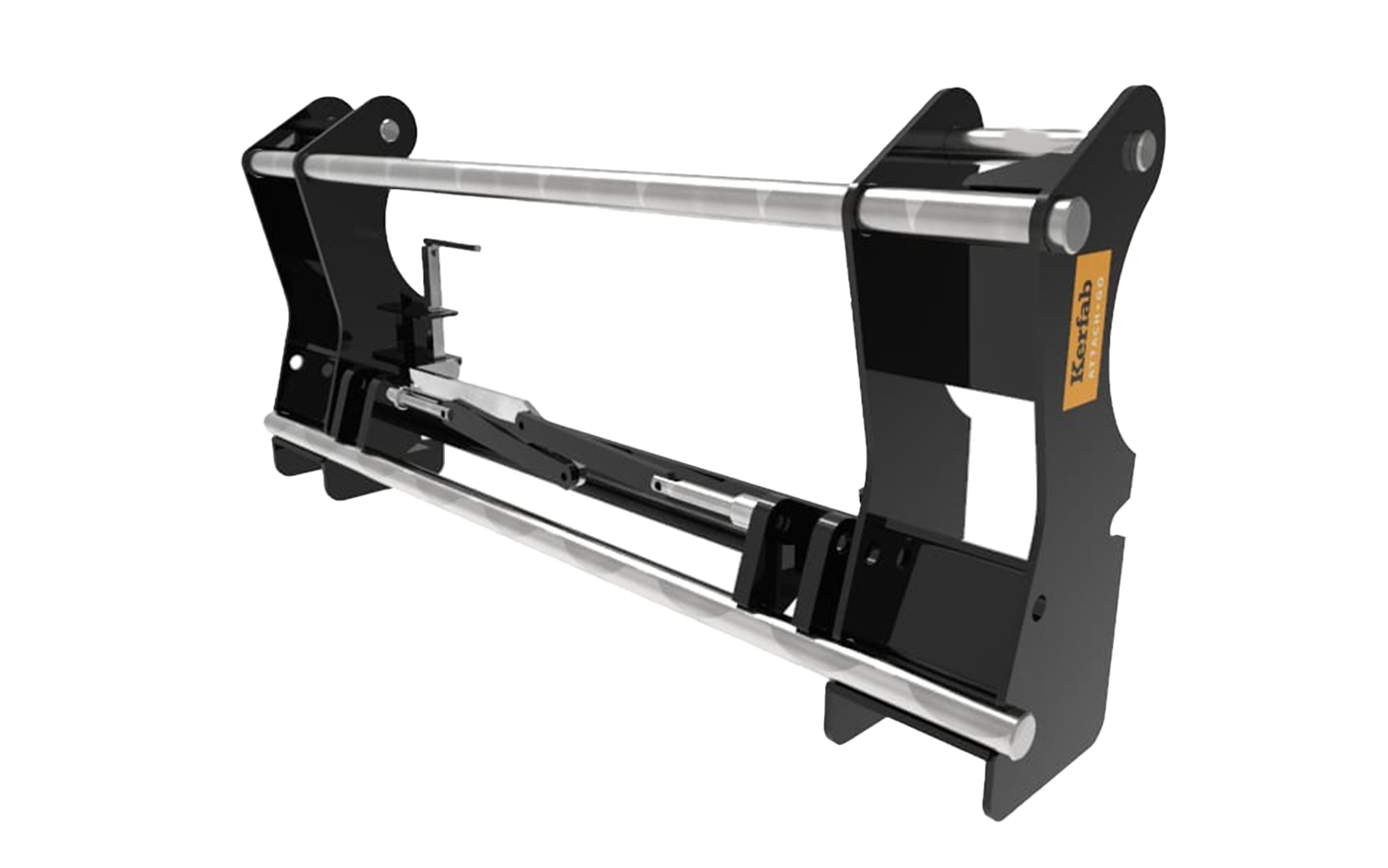
Ag Loader Quick Hitch Adaptor
This Adaptor is now standard on all new Ag Loaders, but many older models did not feature this inclusion. It adapts a standard farm tractor loader from a standard fixed pin on to a quick hitch. It is used for attaching farm accessories such as buckets, hay forks and pallet forks.
What are the main benefits of a Quick Hitch?
There are several benefits to using a quick hitch. Convenience, value for money and versatility make it a wise choice when it comes to purchasing equipment.
1. Multi-tasking
The quick hitch allows you to use multiple attachments with just one machine, saving equipment costs and time for the operator. Having a quick hitch attached to your primary machine makes it easy to switch between functions. This ensures the best use of your equipment, especially on sites where the machine will be required to perform numerous tasks at the one location. There is no need to spend hours changing attachments.
2. Convenience
The quick hitch allows new tasks to be performed by your existing machine allowing you to save costs and increase functionality. It can be operated from the seat of the machine using the bucket tilt function and the lift and lower of the arms. The option of a hydraulic pin locking device enables the operator to perform the process without leaving the seat of the machine, except when the attachment requires a hydraulic connection.

3. Cost-Effective
The quick hitch creates the best possible machine utilisation, ensuring that your current equipment adapts to a number of useful tasks. The quick hitch does away with the need to invest in multiple pieces of heavy equipment, and the cost of one simple attachment is all that is required to create a range of added functionality to your existing machinery.
4. High Returns
One of the most important benefits of a quick hitch is the financial benefit. Compared with the costs of investing in further heavy equipment, the quick hitch enables the best possible ROI on capital expenditure. Without the need for a varied fleet of machinery, the quick hitch results in heavily reduced costs for servicing, maintenance, fuel and the other costs associated with warehousing and running multiple machines.