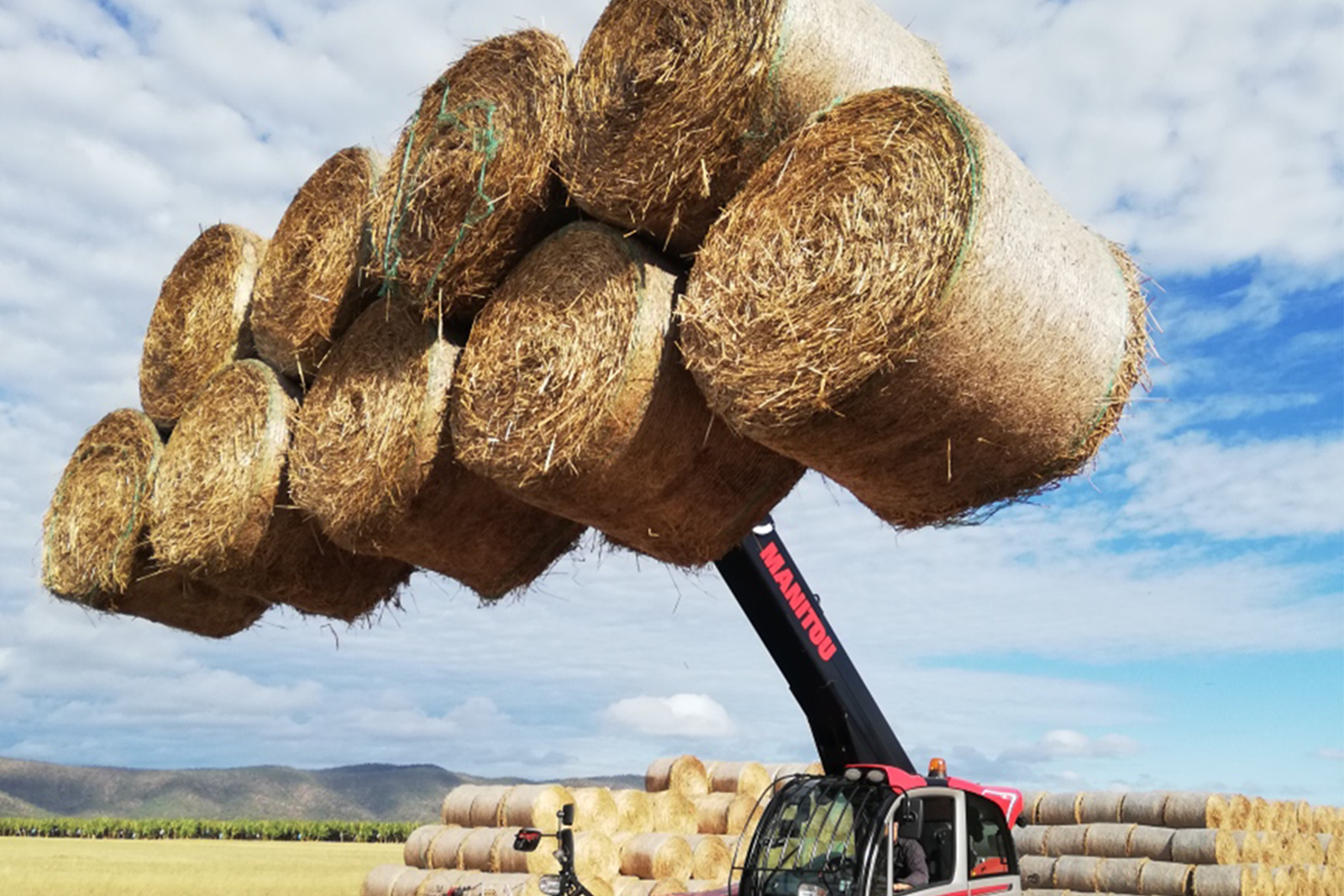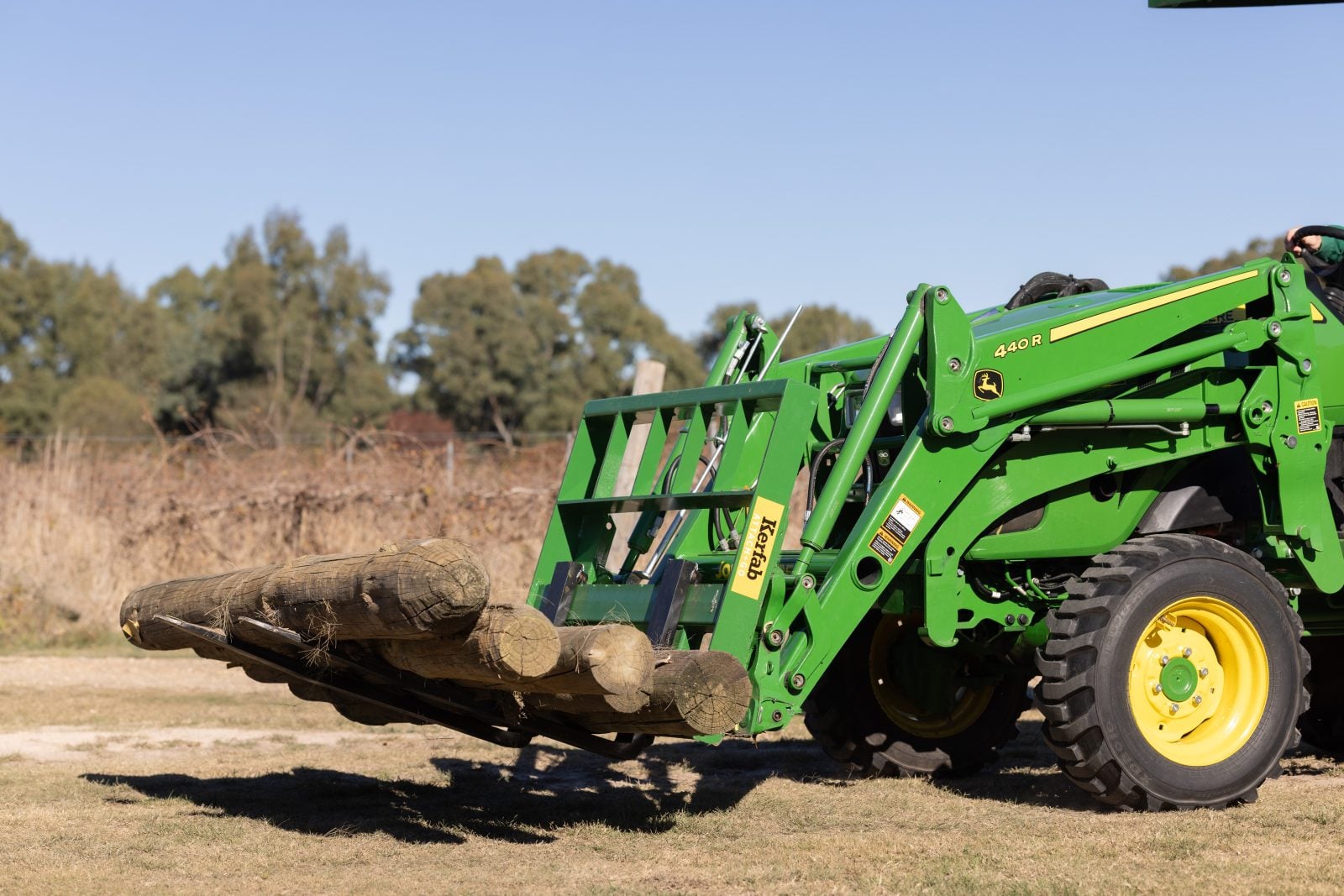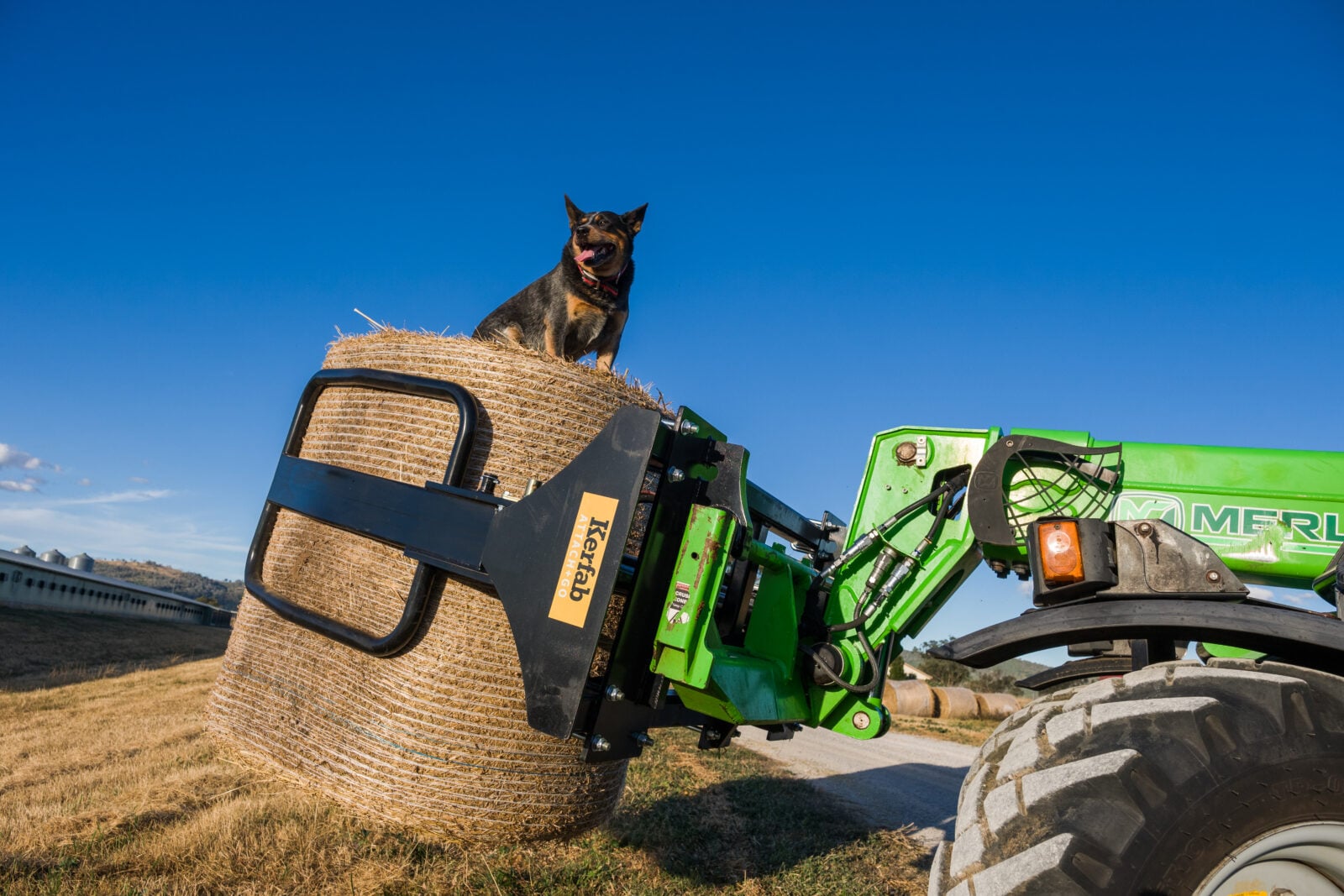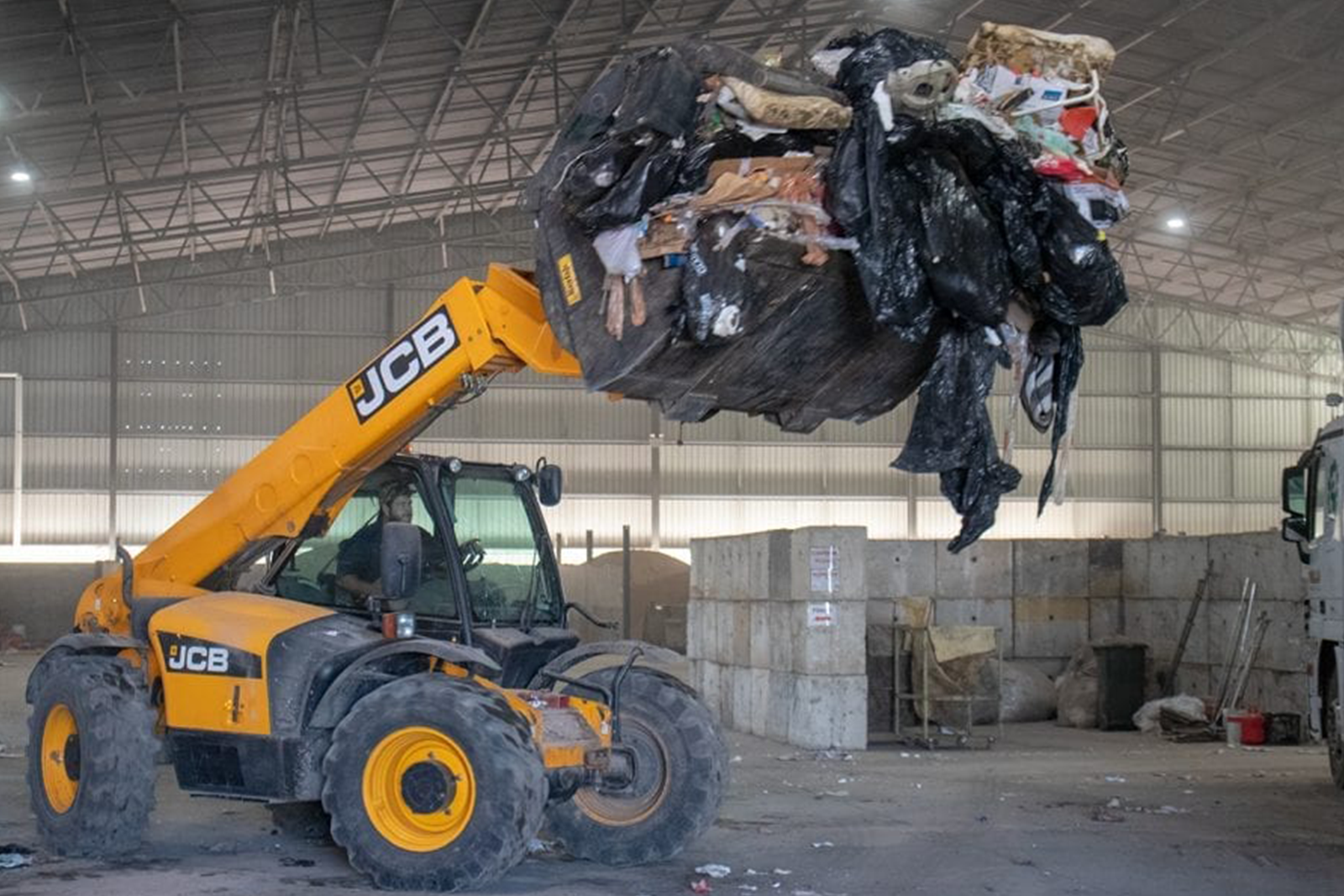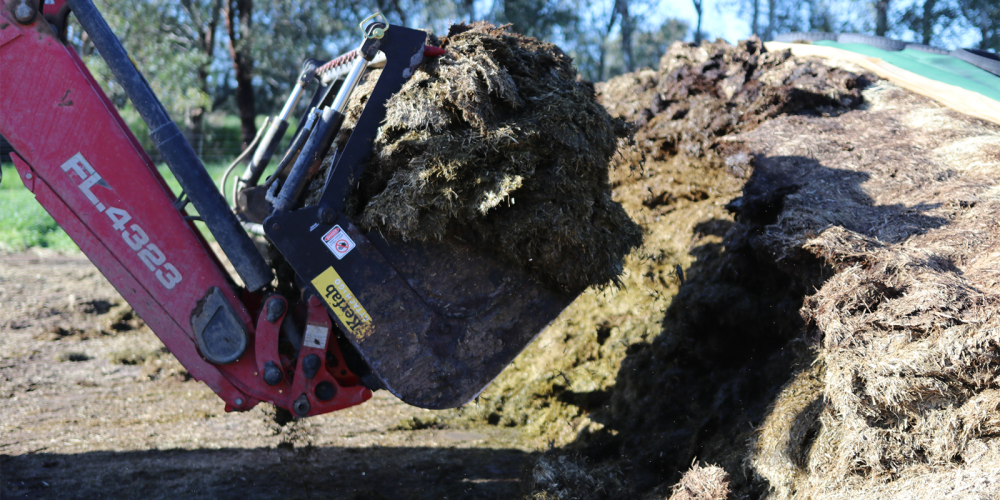
Have you ever wondered what the term silage means? It is used as a way of feeding cattle and sheep at times when pastures are less than optimal, and is a particularly important source of back-up food during dry seasons.
The dictionary definition is “grass or other green fodder compacted and stored in airtight conditions and used as animal feed in the winter”. From a practical point of view, it should factor into your whole farm plan to meet production goals and increase management flexibility.
What is silage?
Silage is pasture grass that has been put through a process to “pickle” it. Grasses are cut and fermented, preserving as many of the nutrients as possible (sugars and proteins). The fermentation process is carried out by microscopic organisms and bacteria that live within the grass. In order to preserve the nutrients, the process takes place in acidic conditions (between 4-5 pH): any higher and it will result in poor quality flavour and lower amounts of sugar and protein.
What makes good silage?
Good silage is light brown in colour, with minimal odour and a sharp taste. When prepared and stored correctly, it can be kept for years, as long as oxygen is restricted from entering. The best fermentation takes place in conditions where crops have a high carbohydrate and low moisture content. Yields can vary between 6-18 tonnes per hectare of feed, depending on a variety of factors.


How to make silage
Timing, quality and precision are vital to silage success. The process for making silage can be broken down into four distinct steps, and each one needs to be done at the right time to ensure the result is high quality silage that will meet or exceed your production goals, reduce storage costs and produce better milk.
1.Preparation and sowing
The quality of your feed is dictated by the best possible forage, so crop selection and pasture fertility is crucial. When it comes to silage, quantity is just as important as quality, so it pays to set aside your most fertile fields for silage production. To maximise returns, crops grown for silage production need to be high-yielding and produce a high quality forage.
2.Tending and harvesting
Timing is crucial: harvest too early and yield will be down, too late and the forage quality won’t be optimal, because the crop’s condition declines with age. Forages should be harvested at the same maturity as when feeding fresh, and once complete it’s essential to commence wilting without delay – preferably within 24 hours and no later than 48 hours.
For optimum results, ensure the swath is as wide as possible and use a tedder to spread the windrow, plus a mower conditioner. It’s important not to harvest when there is a chance of rain and to avoid over-wilting, as this will increase field losses and make dried out forage harder to compact.
3.Storage and transport
Regardless of the system of storage, forage must be compacted as densely as possible and sealed within a day (two days maximum). In larger stacks, the forage from one day should cover the previous day’s forage by at least one metre, acting as a seal. Whether you are going with chopped or baled silage, sealing should be done as soon as possible to avoid aerobic spoilage or oxidisation.
Bales need to be sealed immediately at the storage site and chopped silage should be rolled throughout the harvesting process to dispel air. Depending on their size, pits and stacks should be sealed within 3 days.
4.Mixing and Feeding
Removing silage from the pit is challenging; the right attachments can make this easier and more efficient. The trick is to remove it quickly so as to support high intake, without taking large lumps or chunks out of the face – this will allow harmful oxidation or make the silage vulnerable to vermin attacks. The right device takes shavings from the front of the pit wall and won’t de-fibre the silage.
To minimise losses during feedout it’s important to maintain clean facilities so as to avoid contamination between old and new batches. High quality feed makes for less wastage, allowing you to feed regularly in predetermined portions.
References
https://en.wikipedia.org/wiki/Silage
http://biotechlearn.org.nz/themes/future_farming/what_is_silage
https://www.countrywidefarmers.co.uk/pws/Content.ice?page=GuidesHowToGoodQualitySilage&pgForward=businesscontentfull